Frequently Asked Questions
What do ceramic coatings do?
Ceramic coatings provide a durable layer of protection for vehicles, enhancing their appearance while shielding them from environmental damage such as UV rays, dirt, and chemical contaminants.
Where to buy ceramic coatings?
Ceramic coatings can be purchased directly from professional detailing services like Porters Detailing, where you can also receive expert application. Additionally, some automotive supply stores and online retailers offer ceramic coating products for DIY enthusiasts.
What are ceramic coatings made of?
Ceramic coatings are made of a liquid polymer that chemically bonds with a vehicle's paint, primarily composed of silicon dioxide (SiO2) and sometimes titanium dioxide (TiO2). This combination creates a durable protective layer against environmental damage.
How do ceramic coatings work?
Ceramic coatings work by forming a durable, protective layer on a vehicle's surface. This layer bonds with the paint, creating a hydrophobic effect that repels water and contaminants, thereby enhancing the car's shine and providing long-lasting protection against environmental damage.
What is ceramic coatings?
Ceramic coatings are a protective layer applied to a vehicle's exterior, designed to enhance its appearance and shield it from environmental damage, such as UV rays, dirt, and chemical contaminants.
What are ceramic coatings for cars?
Ceramic coatings for cars are advanced protective layers applied to a vehicle's exterior, enhancing its shine while providing durable resistance against environmental contaminants, UV rays, and scratches. This technology helps maintain the car's appearance and value over time.
What are the best ceramic coatings for cars?
The best ceramic coatings for cars are those that offer durability, high gloss, and strong protection against environmental damage. Top options include brands like Ceramic Pro, CQuartz, and Gtechniq, known for their quality and longevity.
How much do ceramic coatings cost?
The cost of ceramic coatings varies based on the vehicle's size and the specific service package chosen. Generally, prices range from $500 to $2,000, reflecting the quality and durability of the coating.
What benefits do ceramic coatings provide?
The benefits of ceramic coatings include superior protection against environmental damage, enhanced shine and appearance, and easier maintenance. They create a durable barrier that safeguards your vehicle's paint, ensuring it looks great for longer.
How long do ceramic coatings last?
Ceramic coatings can last anywhere from two to five years, depending on factors such as the quality of the product used and the maintenance of the vehicle. Regular care can extend their lifespan significantly.
Can ceramic coatings be applied to any vehicle?
Ceramic coatings can be applied to most vehicles, including cars, trucks, and SUVs. However, it's essential to ensure the vehicle's surface is properly prepared for optimal bonding and performance.
What surfaces can ceramic coatings protect?
Ceramic coatings can protect a variety of surfaces, including automotive paint, glass, wheels, and plastics. These coatings create a durable barrier that shields against environmental contaminants and enhances the overall appearance of your vehicle.
How are ceramic coatings applied to cars?
Ceramic coatings are applied to cars through a meticulous process that includes thorough washing, paint correction, and the careful application of the coating using specialized tools. This ensures optimal bonding and protection for the vehicle's surface.
What maintenance is required for ceramic coatings?
The maintenance required for ceramic coatings includes regular washing with pH-neutral soap and avoiding abrasive materials. Additionally, periodic inspections and the application of a maintenance spray can help prolong the coating's effectiveness and appearance.
Are ceramic coatings worth the investment?
Ceramic coatings are a worthwhile investment as they provide long-lasting protection for your vehicle's paint, enhance its appearance, and reduce maintenance efforts. This durable solution helps shield against environmental damage, making it a smart choice for car owners.
What is the difference between wax and ceramic coatings?
The difference between wax and ceramic coatings lies in their durability and protection. Wax provides a temporary shine and protection lasting a few months, while ceramic coatings offer long-lasting, robust protection against environmental damage for several years.
How do I choose the right ceramic coating?
Choosing the right ceramic coating involves considering your vehicle's needs, the level of protection desired, and the warranty offered. Consult with a professional detailing service like Porters Detailing to find the best option tailored for your car.
What are the top brands of ceramic coatings?
The top brands of ceramic coatings include Ceramic Pro, Gtechniq, and CQuartz, known for their durability and protective qualities, making them popular choices among vehicle detailing professionals.
Can ceramic coatings be removed?
Ceramic coatings can be removed, but it typically requires specialized products and techniques. This process should be performed by professionals to ensure the underlying paint remains undamaged.
What environmental factors affect ceramic coatings?
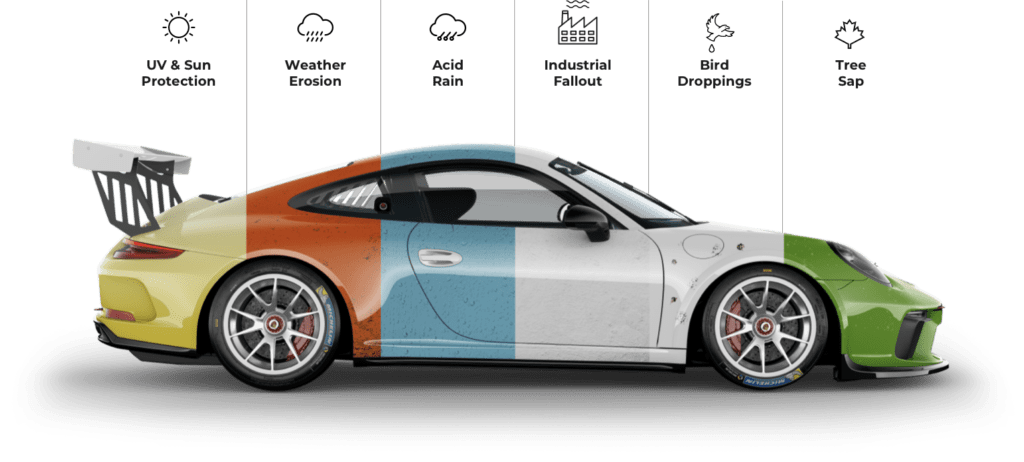
The environmental factors that affect ceramic coatings include UV rays, acid rain, bird droppings, and tree sap. These elements can degrade the coating's effectiveness and appearance over time, making regular maintenance essential for optimal protection.
How do ceramic coatings enhance vehicle appearance?
Ceramic coatings enhance vehicle appearance by creating a glossy, hydrophobic layer that improves shine and depth of color. This protective barrier also resists dirt, contaminants, and UV damage, keeping your vehicle looking new for longer.
What is the curing process for ceramic coatings?
The curing process for ceramic coatings involves a chemical reaction that occurs when the coating is applied to the vehicle's surface. This process typically takes 24 to 48 hours, during which the coating hardens and bonds to the paint, providing optimal protection and durability.
Are there any drawbacks to ceramic coatings?
The drawbacks of ceramic coatings include their higher initial cost compared to traditional waxes and the need for proper surface preparation before application. Additionally, while they offer excellent protection, they are not completely scratch-proof and may require maintenance over time.
How do ceramic coatings compare to sealants?
Ceramic coatings offer superior protection compared to sealants. While sealants provide a temporary layer of defense, ceramic coatings bond chemically to the vehicle's surface, offering long-lasting durability, enhanced gloss, and greater resistance to environmental damage.
What preparation is needed before applying ceramic coatings?
Preparation for applying ceramic coatings involves thoroughly washing and decontaminating the vehicle's surface, ensuring it is free from dirt, grime, and previous wax or sealants. Additionally, any paint imperfections should be corrected for optimal adhesion.
How do ceramic coatings resist scratches?
Ceramic coatings resist scratches by forming a durable, protective layer on the vehicle's surface. This advanced coating enhances hardness and creates a barrier against minor abrasions, keeping the paintwork intact and looking pristine.
What warranties are offered with ceramic coatings?
The warranties offered with ceramic coatings include a unique insurance-backed warranty that protects your investment, ensuring long-lasting durability and performance against environmental damage for your vehicle.
Can ceramic coatings be applied in winter?
Ceramic coatings can be applied in winter. However, it's essential that temperatures are within the recommended range for optimal adhesion and curing to ensure the best protection for your vehicle.
What tools are needed for ceramic coating application?
The tools needed for ceramic coating application include a dual-action polisher, microfiber towels, a paint prep solution, and the ceramic coating product itself. These tools ensure a smooth and effective application for optimal vehicle protection.
How do ceramic coatings protect against UV damage?
Ceramic coatings protect against UV damage by forming a durable, transparent layer on the vehicle's surface that reflects harmful ultraviolet rays. This barrier helps prevent oxidation and fading, ensuring the car's paint remains vibrant and intact over time.